

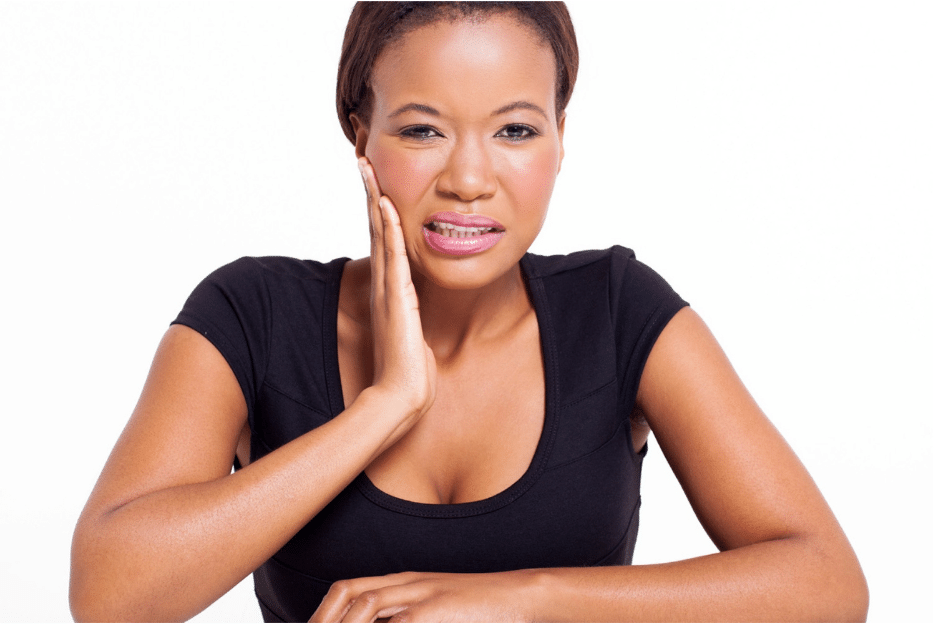
Most people assume jaw pain starts with a tooth. Sometimes it does. A cavity, cracked tooth, or gum infection can all make your jaw ache. But when the discomfort lingers, clicking becomes more noticeable, or opening your mouth starts to feel restricted, the source may be the temporomandibular joint rather than your teeth.
Temporomandibular disorders (TMD) affect the joint that connects your lower jaw to your skull. Because this joint is involved every time you chew, speak, yawn, or swallow, even mild inflammation or dysfunction can interfere with everyday activities. Some people notice symptoms gradually over several months, while others develop jaw pain after an injury, periods of stress, or nighttime teeth grinding.
The challenge is that TMJ disorders don’t always look the same. One person may struggle with frequent headaches, while another experiences ear pain or difficulty chewing. Recognizing these patterns early can help you seek treatment before the problem becomes more difficult to manage.
Understanding the Temporomandibular Joint
The temporomandibular joints sit just in front of each ear, connecting the lower jaw (mandible) to the skull. Unlike many joints in the body, they both rotate and slide, allowing smooth movement when you open and close your mouth.
Healthy joints work almost unnoticed. You can eat, talk, yawn, and laugh without thinking about them. When the joint, surrounding muscles, or supporting structures become irritated, however, these everyday movements may become uncomfortable or limited.
TMJ vs. TMD
Although they’re often used interchangeably, the terms mean different things.
TMJ refers to the temporomandibular joint itself.
TMD refers to disorders affecting that joint, the muscles that control jaw movement, or both.
In everyday conversation, many people simply say they “have TMJ,” but they’re usually referring to a temporomandibular disorder.
Also Read: What is The Best Dental Routine?
Signs Your Jaw Pain May Be Related to TMJ
Jaw discomfort doesn’t always point to a TMJ disorder. Dental infections, sinus conditions, arthritis, and certain nerve disorders can produce similar symptoms. What often separates TMJ-related pain is the combination of discomfort with changes in how the jaw moves.
You may notice symptoms such as:
Pain Around the Jaw and Face
Pain may begin directly over the jaw joint but often spreads beyond that area.
Common complaints include:
- Tenderness near one or both jaw joints
- Aching along the cheeks or lower face
- Pain that seems to radiate toward the ears
- Tightness in the neck or shoulders
- Frequent tension headaches or headaches that seem connected to jaw movement
Some people initially schedule an appointment because they believe they have recurring ear infections or migraines before discovering the jaw joint is contributing to the problem.
Changes in Jaw Movement
A healthy jaw should open and close smoothly.
When the joint isn’t functioning normally, you might experience:
- Clicking or popping during movement
- A jaw that catches or briefly locks
- Difficulty opening your mouth fully
- Pain while chewing certain foods
- Morning stiffness that gradually improves throughout the day
Occasional clicking without pain isn’t always a sign of a disorder. However, persistent noises accompanied by discomfort or restricted movement deserve evaluation.
Less Obvious Symptoms
Not every TMJ disorder presents with classic jaw pain.
Patients are sometimes surprised to learn their symptoms may also include:
- Ear fullness without an infection
- Ringing in the ears (tinnitus)
- Facial muscle fatigue
- Unexplained tooth sensitivity
- Jaw soreness after waking up
- Episodes of dizziness in some individuals
Because these symptoms overlap with several other conditions, a clinical examination is usually needed to identify the actual source.
Why TMJ Disorders Develop
There’s rarely a single explanation. In many cases, several factors place stress on the joint over time until symptoms begin to appear.
Teeth Grinding and Clenching
Grinding your teeth while sleeping or clenching your jaw during the day places repeated pressure on the joint and surrounding muscles.
Some people don’t realize they grind their teeth until a partner hears it at night or a dentist notices signs of wear during an exam.
Bite Problems
Changes in the way your teeth come together can affect how the jaw moves.
Missing teeth, shifting teeth, certain dental restorations, or naturally uneven bite patterns may place additional stress on the joint in some patients.
Injury or Arthritis
Previous trauma, including sports injuries, falls, or motor vehicle accidents, can affect the joint long after the initial injury heals.
Degenerative conditions such as osteoarthritis may also gradually wear down the joint surfaces, leading to pain, stiffness, and reduced mobility.
Muscle Overuse
Daily habits sometimes contribute more than patients realize.
Repeated gum chewing, nail biting, chewing ice, or frequently holding tension in the jaw muscles can overload the joint over time.
Stress also plays a role for many people. During stressful periods, it’s common to clench the jaw without realizing it, increasing pressure on already sensitive muscles and joints.
Also Read: Five Signs You Might Have Sleep Apnea… and One Thing You Can Do About It
When It’s Time to Schedule an Evaluation
Jaw discomfort after a tough meal or a stressful day isn’t unusual. In many cases, it improves within a few days with rest and avoiding foods that require a lot of chewing. When symptoms continue, become more frequent, or start interfering with daily activities, it’s worth having the joint evaluated.
Consider scheduling an appointment if you notice:
- Jaw pain that lasts more than a few days
- Clicking or popping accompanied by pain
- Your jaw locks or feels like it catches during movement
- Difficulty chewing certain foods
- Frequent headaches that seem related to jaw movement
- Pain that spreads into the face, neck, or ears
- Symptoms that continue despite home care
Persistent jaw pain doesn’t always mean you have a TMJ disorder, but it does mean the cause deserves attention. An examination can determine whether the problem involves the joint, surrounding muscles, your bite, or another condition altogether.
How TMJ Disorders Are Diagnosed
There isn’t a single test that confirms a TMJ disorder. Instead, diagnosis combines your symptoms, medical history, and a thorough clinical examination.
Reviewing Your Symptoms
Your dentist will ask questions about when the pain began, what activities make it worse, and whether you’ve noticed habits such as clenching or grinding your teeth.
Other topics may include:
- Previous jaw injuries
- Recent dental treatment
- Headaches or neck pain
- Stress levels
- Changes in your bite
- Difficulty sleeping because of discomfort
Understanding how your symptoms developed often provides important clues before the physical examination even begins.
Examining the Jaw
The examination focuses on how the jaw functions rather than simply identifying where it hurts.
Your dentist may:
- Watch how your jaw opens and closes
- Measure your range of motion
- Listen for clicking or popping
- Feel the muscles around the jaw for tenderness
- Evaluate how your teeth come together when you bite
These findings help determine whether the discomfort appears to involve the joint itself, the surrounding muscles, or a combination of both.
When Imaging Is Helpful
Most TMJ disorders can be diagnosed during a clinical examination. However, imaging may be recommended when symptoms are severe, don’t improve with treatment, or suggest structural damage.
Depending on your situation, your dentist may recommend:
- X-rays to evaluate the jaw and surrounding bone
- CT scans for detailed images of the joint
- MRI when the soft tissues or joint disc need closer evaluation
Imaging isn’t necessary for every patient, but it can provide valuable information in more complex cases.
Treatment Depends on What’s Causing the Problem
The right treatment depends on why the joint is hurting in the first place. Someone whose symptoms stem from nighttime grinding may need a different approach than someone whose pain developed after an injury or because of arthritis.
For that reason, treatment plans are individualized rather than one-size-fits-all.
Conservative Care Comes First
Many patients improve with relatively simple measures designed to reduce stress on the joint while irritated tissues recover.
Your dentist may recommend:
- Choosing softer foods for a short period
- Limiting gum chewing Applying warm or cold compresses
- Gentle jaw stretching exercises
- Improving posture if muscle tension contributes to symptoms
- Finding ways to reduce clenching during the day
These changes often reduce inflammation while giving the joint an opportunity to heal.
Nightguards Can Help Some Patients
If teeth grinding or clenching is contributing to your symptoms, a custom nightguard may be recommended.
Unlike over-the-counter mouthguards, custom appliances are designed specifically for your bite. They help protect the teeth while reducing some of the pressure placed on the jaw during sleep.
Not every patient with TMJ symptoms needs a nightguard, but they can be very effective when grinding is a significant part of the problem.
Additional Treatment Options
When conservative measures aren’t enough, your dentist may recommend additional treatment based on the underlying cause.
Depending on your diagnosis, options may include:
- Short-term medication to reduce pain or inflammation
- Physical therapy focused on the jaw and surrounding muscles
- Bite adjustments when appropriate
- Orthodontic treatment if bite alignment contributes to symptoms
- Referral for advanced treatment when conservative care has not provided adequate relief
The goal is not simply to reduce discomfort but to improve how the joint functions over time.
Can TMJ Problems Go Away on Their Own?
Sometimes they do.
Mild irritation related to temporary muscle strain, stress, or overuse may improve within a few days after resting the jaw and avoiding activities that aggravate the joint.
Recurring symptoms are different. Pain that repeatedly returns, increasing stiffness, or episodes of locking usually indicate that the underlying problem hasn’t resolved.
Waiting too long can make treatment more difficult, especially if limited jaw movement or chronic muscle tension develops. Having the joint evaluated early often allows simpler treatment before symptoms become more disruptive.
Also Read: Protect Your Teeth
Relief for TMJ Symptoms in Oxnard
Living with ongoing jaw pain can affect much more than eating. Many people find themselves avoiding certain foods, waking up with sore muscles, or dealing with headaches that seem to come out of nowhere. Even conversations, yawning, or laughing can become uncomfortable when the jaw isn’t moving the way it should.
The good news is that effective treatment often starts with identifying what’s actually causing the problem. While two people may describe similar symptoms, one may be dealing with muscle tension from nighttime grinding, while another has inflammation within the joint or bite-related issues. Understanding that difference allows treatment to focus on the source of the pain rather than simply trying to manage it.
At Vista Pacific Dental Care, every evaluation begins with a careful assessment of your symptoms, jaw function, and oral health. From there, we can recommend treatment options that fit your specific needs, whether that’s conservative care, a custom nightguard, or additional therapies designed to improve jaw function and reduce discomfort.
Don’t Ignore Persistent Jaw Pain
Jaw pain that lasts more than a few days, keeps returning, or begins limiting normal activities shouldn’t become something you simply learn to live with. Early evaluation can often prevent symptoms from becoming more severe and may help you avoid long-term joint or muscle problems.
If you’ve been experiencing jaw pain, clicking, stiffness, headaches, or difficulty chewing, scheduling an evaluation is the best way to determine what’s causing your symptoms and what treatment may be appropriate.
Our team at Vista Pacific Dental Care is here to help you find answers and develop a treatment plan designed around your individual needs.
Schedule your TMJ evaluation at Vista Pacific Dental Care in Oxnard today. We’ll evaluate your symptoms, identify the underlying cause of your jaw discomfort, and discuss treatment options that can help you return to eating, speaking, and living more comfortably.
Frequently Asked Questions
What is a TMJ disorder?
A TMJ disorder, also called TMD, refers to a group of conditions affecting the temporomandibular joint, the muscles that move the jaw, or both. These conditions can lead to pain, stiffness, clicking, limited jaw movement, and difficulty chewing.
What symptoms are commonly associated with TMJ disorders?
Symptoms vary from person to person but often include jaw pain, clicking or popping sounds, headaches, facial tenderness, ear discomfort, jaw stiffness, and difficulty fully opening or closing the mouth. Some people also notice pain in the neck or shoulders.
How can I tell if my jaw pain is related to TMJ?
Jaw pain accompanied by clicking, locking, limited movement, headaches, or discomfort while chewing may suggest a TMJ disorder. Because similar symptoms can also be caused by dental problems, arthritis, sinus conditions, or other medical issues, a professional examination is the most reliable way to determine the cause.
What causes TMJ disorders?
TMJ disorders often develop from a combination of factors rather than a single cause. Teeth grinding, jaw clenching, bite problems, arthritis, previous injuries, stress, and muscle overuse can all contribute to irritation of the joint or surrounding muscles.
How are TMJ disorders treated?
Treatment depends on the underlying cause and the severity of your symptoms. Many patients improve with conservative care, such as temporary dietary changes, jaw exercises, stress reduction, and custom nightguards. When needed, additional treatment may include medication, physical therapy, orthodontic treatment, or other therapies based on your diagnosis.
Can TMJ symptoms go away without treatment?
Mild symptoms caused by temporary muscle strain or overuse sometimes improve with rest and self-care. However, pain that persists, returns frequently, or interferes with normal jaw movement should be evaluated. Identifying the underlying cause early often leads to more effective treatment and may help prevent symptoms from becoming chronic.
