

Why Safety Matters in Dental Implant Decisions
For anyone facing tooth loss, the search for a permanent solution often leads to dental implants. They have become the standard of care for replacing missing teeth, offering a look and feel that closely mimics natural teeth. While the cosmetic and functional improvements are clear, many patients still have questions regarding the safety of the procedure.
It is normal to feel some hesitation before undergoing oral surgery. Patients often worry about recovery time, potential complications, and whether the implant will last. Understanding the realities of this treatment, both the high success rates and the manageable risks, can help you feel more confident in your decision.
What Makes Dental Implants Safe?
Proven Success Rates
The track record for dental implants is incredibly strong. Clinical studies consistently show success rates falling between 95 and 98 percent. Unlike other tooth replacement methods that may need frequent adjustments or replacements, implants generally offer a permanent fix. When placed by a skilled professional and maintained correctly, they rarely fail.
Biocompatible Materials
Safety starts with the materials used. Most implants are made from medical-grade titanium. This metal is widely used in orthopedic surgeries, such as hip and knee replacements, because the human body accepts it readily. Titanium is biocompatible, meaning it rarely causes allergic reactions or rejection. For patients who prefer a metal-free choice, ceramic implants offer a similar level of safety and integration.
Osseointegration
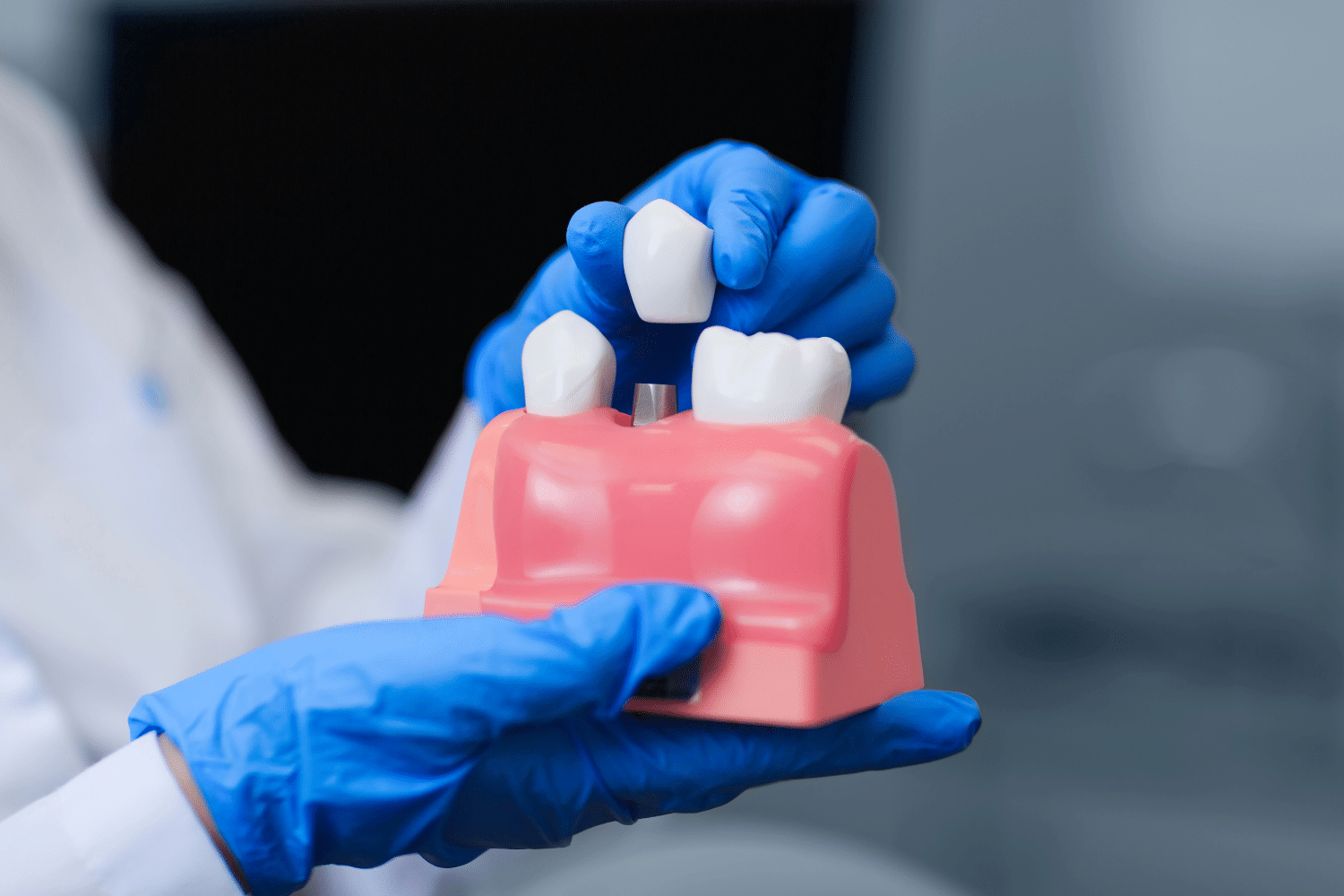
The secret to the stability of an implant lies in a biological process called osseointegration. Once the titanium post is placed into the jaw, the bone heals around it, fusing directly to the surface of the metal. This natural bonding process creates a secure anchor that mimics a natural tooth root. Because the implant becomes part of the jaw, it provides strength that surface-level replacements, like dentures, cannot match.
Advanced Imaging and Planning
Modern technology plays a large role in patient safety. Before any work begins, dentists use advanced imaging, such as Cone Beam CT scanners. These scanners produce a 3D image of your jaw, nerves, sinuses, and surrounding teeth. This data allows the dentist to map out the exact angle and depth for the implant, significantly reducing the chance of surgical errors.
Benefits of Dental Implants
Improved Function
The most immediate benefit is the restoration of full chewing power. Because implants are anchored in the bone, they allow you to eat foods that might be difficult with dentures, such as steak, apples, or corn on the cob. There is no slipping, clicking, or movement, allowing you to speak and eat naturally.
Bone Preservation
One of the hidden consequences of tooth loss is bone resorption. Without a tooth root to stimulate the jawbone, the bone begins to deteriorate over time. This can lead to a sunken facial appearance, often making people look older than they are. Implants act like artificial roots, providing the necessary stimulation to keep the jawbone healthy and intact.
Long-Term Durability
While bridges may need to be replaced every 10 to 15 years, dental implants are designed to last a lifetime. With consistent brushing, flossing, and dental checkups, the implant screw itself rarely needs replacement, making it a cost-effective choice over the long run.
Better Oral Health
Traditional tooth-supported bridges require grinding down adjacent healthy teeth to support the prosthetic. Implants are stand-alone units. They do not rely on neighboring teeth for support, leaving your natural tooth structure untouched. Additionally, individual implants allow for easier flossing between teeth compared to connected bridges.
Enhanced Confidence and Quality of Life
Living with missing teeth or loose dentures can take a toll on self-esteem. Implants eliminate the worry of a prosthetic falling out in social situations. They look and function so much like natural teeth that most patients forget they even have them, restoring a sense of normalcy and confidence.
Potential Risks of Dental Implants
Surgical Risks
As with any oral surgery, there is a slight risk of infection at the implant site. This can usually be managed with antibiotics. Other temporary side effects may include bleeding, swelling, or bruising. In rare cases, if an implant is placed too close to a nerve, it can cause temporary or permanent numbness or tingling in the lip, chin, or gums. This is why 3D imaging is so important; it helps the dentist avoid these sensitive areas.
Implant Failure
Although uncommon, implants can fail. “Early failure” occurs if the bone does not heal around the implant correctly. “Late failure” can happen years later, often due to infection or excessive force. Factors that contribute to failure include poor healing ability, uncontrolled health conditions, or poor oral hygiene.
Peri-Implantitis
This is a specific form of gum disease that affects the soft tissue and bone around the implant. It is similar to gum disease around natural teeth. If plaque and bacteria build up, inflammation can destroy the bone supporting the implant. Maintaining a strict cleaning routine is the best way to prevent this condition.
Sinus Complications
For implants placed in the upper jaw, there is a small risk of the implant protruding into the sinus cavity. This can happen if the bone height is insufficient. Dentists assess this risk beforehand. If the bone is too thin, a sinus lift procedure can add bone to the area, creating a safe buffer and preventing sinus issues.
Anesthesia Considerations
Most implant procedures are performed under local anesthesia, which is extremely safe. For patients with high anxiety, sedation options are available. Your dentist will screen your medical history to select the safest sedation method for you.
Who Is a Good Candidate?
Ideal Candidates
The best candidates have healthy gums and enough bone density to support the implant. They must be committed to a daily oral hygiene routine and regular dental visits.
Higher-Risk Individuals
Certain factors can increase the risk of complications:
- Smokers: Smoking restricts blood flow, which significantly slows down the healing process and increases the risk of implant failure.
- Uncontrolled Diabetes: High blood sugar levels can impair healing and increase infection risk.
- Osteoporosis: While not an absolute contraindication, bone quality must be assessed carefully.
- Bruxism: Patients who grind or clench their teeth may put too much pressure on the implant during the healing phase.
The Evaluation Process
Your dentist will conduct a full exam, including X-rays and a review of your medical history, to determine if you are a candidate. If you have risk factors, they can often be managed or mitigated with specific treatment protocols.
How Dentists Reduce Implant Risks
Comprehensive Planning
Using digital software, dentists plan the surgery virtually before touching the patient. This allows them to choose the correct implant size and position, avoiding guesswork.
Bone Grafting and Sinus Lifts
If you lack sufficient bone, your dentist can perform a bone graft. This builds up the implant site, creating a solid base for the post. This step turns a high-risk case into a standard one.
Sterile Surgical Environment
Infection control is a top priority. Instruments are sterilized, and strict protocols are followed to maintain a clean surgical field, minimizing the chance of post-operative infection.
Post-operative Care Instructions
You will receive detailed instructions on how to care for the surgical site. This includes what to eat, how to clean the area, and which medications to take to manage comfort and prevent infection.
Follow-up and Maintenance Schedule
Ongoing monitoring is a standard part of the process. The dental team establishes a schedule to check healing progress at specific intervals. These short visits allow the dentist to verify that osseointegration is proceeding as planned and that the soft tissue is healthy. Catching potential concerns early prevents them from escalating into larger problems.
How Patients Can Improve Implant Success
- Quit Smoking: If you smoke, stopping, even temporarily during the healing period, can dramatically improve your results.
- Maintain Good Oral Hygiene: Brush twice a day and floss daily. Keeping the gum tissue healthy is necessary for the longevity of the implant.
- Follow Aftercare Instructions: Do not rush the healing process. Stick to soft foods as advised and avoid disturbing the surgical site.
- Regular Dental Visits: Distinct cleanings allow the dentist to spot early signs of inflammation and treat it before it becomes a problem.
- Report Symptoms Early: If you notice looseness, pain, or swelling, contact your dentist immediately.
Alternatives to Dental Implants
If implants are not the right choice for you due to medical reasons or personal preference, other methods are available:
- Bridges: A non-removable option that uses adjacent teeth for support.
- Partial Dentures: A removable appliance for replacing multiple teeth.
- Full Dentures: A complete set of removable teeth.
While these alternatives may carry fewer surgical risks, they do not offer the same bone-preservation benefits as implants.
Conclusion
Dental implants are widely considered a safe and reliable way to replace missing teeth. The combination of high-quality materials, modern imaging technology, and the body’s natural healing ability results in a restoration that can last a lifetime. While risks exist, they are generally low and can be managed through correct planning and patient cooperation.
Choosing a knowledgeable provider is the best way to secure a positive result. If you are considering tooth replacement and want to know if you are a candidate, the team at Vista Pacific Dental is here to help guide you through the process.
