

Why Longevity Matters When Replacing Missing Teeth
Choosing a way to replace missing teeth is about more than just filling a gap. It is a decision that affects how you eat, speak, and look for years to come. Most patients at Vista Pacific Dental want a solution that stands the test of time rather than a temporary fix that requires frequent visits for repairs.
When you lose a tooth, the durability of your replacement matters because it dictates your future costs and comfort. While there are several ways to restore your smile, they do not all offer the same lifespan. By looking at how long dental implants last compared to bridges and dentures, you can decide which path fits your life best.
Overview of Tooth Replacement Options
Before comparing how long these treatments last, it helps to understand what they are and how they work.
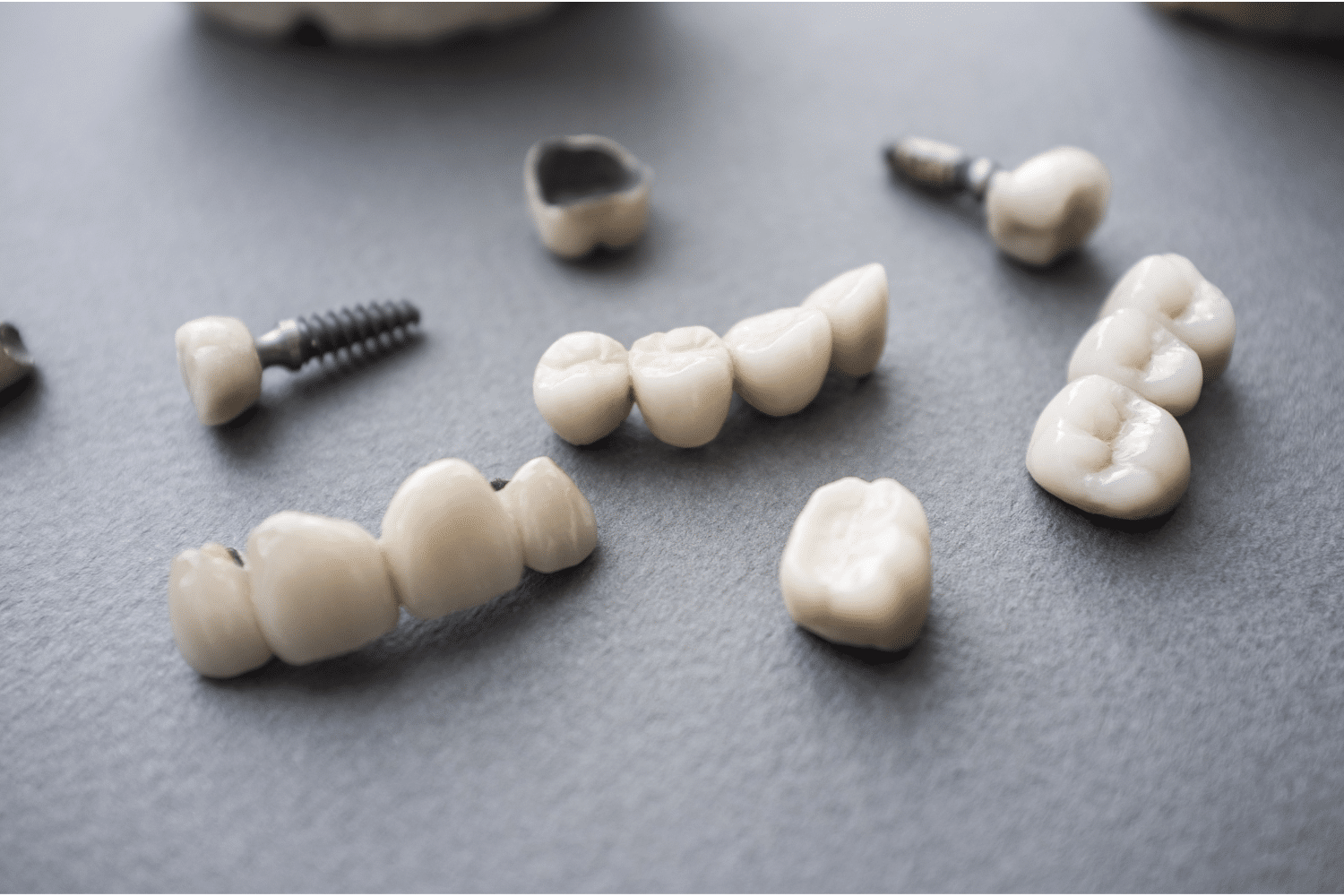
- Dental Implants: These are small titanium posts placed into the jawbone. They act like natural tooth roots. Once the bone heals around the post, a custom crown is placed on top.
- Dental Bridges: A bridge “bridges” the gap created by one or more missing teeth. It consists of two or more crowns on either side of the gap, with a false tooth in between.
- Dentures: These are removable appliances that replace missing teeth and surrounding tissues. Full dentures replace all teeth, while partial dentures are used when some natural teeth remain.
Each of these functions differs. Implants are fixed and independent, bridges rely on neighboring teeth, and dentures sit on top of the gums.
How Long Do Dental Implants Typically Last?
If you are looking for a permanent tooth replacement, implants are the gold standard. They are built to be a lifelong solution.
The implant itself, the titanium post, is designed to last 25 years or more. In many cases, it stays in place for the rest of a patient’s life. The crown attached to the implant handles the daily wear of chewing. While the post is permanent, the crown may need replacement after 10 to 15 years due to normal wear.
Several factors affect how long dental implants last. Your oral hygiene habits, the health of your jawbone, and whether you smoke all play a role. Because the implant integrates with your bone, it becomes a part of your body, which is why an implant dentist often recommends them for maximum durability.
Also Read: Are Dental Implants Safe? The Risks and Benefits
How Long Do Dental Bridges Last?
Dental bridges are a common middle-ground choice. They are sturdy and fixed in place, but they do not have the same staying power as implants.
On average, a dental bridge lasts between 5 and 15 years. It is rare for a bridge to last longer than 20 years without needing some work. Bridges have a shorter lifespan because they depend on the health of the anchor teeth.
Because the teeth supporting the bridge must be shaved down to fit the crowns, they are more susceptible to decay or strain over time. If one of those anchor teeth fails, the entire bridge must be replaced.
How Long Do Dentures Last?
Dentures are often the most affordable choice upfront, but they have the shortest lifespan of the three. Most dentures need to be replaced or significantly adjusted every 5 to 8 years.
The main reason for this is that your mouth changes over time. When teeth are missing, the jawbone naturally begins to shrink because it is no longer being stimulated by tooth roots. As the bone shape changes, the dentures that once fit snugly will start to slip, click, or cause sore spots.
While the materials used in dentures are tough, the constant need to realign them to match your changing jaw makes them a short-term fix compared to other methods.
Comparing Longevity: Implants vs Bridges vs Dentures
When comparing implants, bridges, and dentures over the long term, the frequency of replacement is the biggest differentiator.
| Feature | Dental Implants | Dental Bridges | Dentures |
|---|---|---|---|
| Average Lifespan | 25+ Years | 7 to 15 Years | 5 to 8 Years |
| Stability | Fixed & High | Fixed & Moderate | Removable & Low |
| Replacement Needs | Only the crown | The entire bridge | Entire appliance |
| Bone Protection | Prevents bone loss | Does not prevent bone loss | Can accelerate bone loss |
When comparing the lifespans of dental implants vs. bridges vs. dentures, implants clearly lead the pack. While a bridge or denture might need to be redone three or four times over several decades, a single implant could last that entire duration.
How Bone Health Affects Longevity
One reason dental implants in Oxnard patients choose this path is bone preservation. Your jawbone needs stimulation to stay healthy and thick.
- Implants: The post acts as a root, signaling the body to maintain bone strength. This keeps the facial structure intact and the implant secure.
- Bridges and Dentures: These do not replace the root. Over time, the bone underneath the gap shrinks. This change in bone structure is exactly why bridges eventually fail, and dentures become loose.
Preserving the bone is a major factor in why dental implants last longer than traditional dentures.
Maintenance and Care Requirements
The longevity of any dental work depends on how you treat it.
For dental implants, maintenance is simple. You brush and floss them just like natural teeth. Regular checkups at Vista Pacific Dental help monitor the health of the surrounding gum tissue.
For dental bridges, care is slightly more involved. You must use special flossing tools to clean underneath the false tooth to prevent plaque buildup on the anchor teeth.
Denture maintenance requires daily removal and soaking. You must also clean your gums and any remaining teeth to prevent infections such as thrush or gum disease, which can further alter the fit of the appliance.
Also Read: Protect Your Teeth: Preventive Steps Toward Better Oral Health
Cost Over Time: Upfront vs Long-Term Value
It is easy to focus on the initial price tag, but the best option for missing teeth: implants, bridges, or dentures, is often the one that costs the least over twenty years.
- Dentures have the lowest entry price but require new sets and frequent adjustments, which add up.
- Bridges are moderately priced but will likely need to be replaced at least once or twice.
- Implants have a higher upfront cost. However, because they rarely need replacement, they are often the most cost-effective choice over the long term.
When you look at the long-term comparison of implants, bridges, and dentures, the value of a one-time investment becomes clear.
Lifestyle and Comfort Considerations
How long a tooth replacement lasts is important, but how it feels while you have it matters just as much.
Implants provide nearly the same chewing power as natural teeth. You can eat steak, apples, and crunchy snacks without fear. Bridges offer good stability but can feel less natural than an implant. Dentures often limit what you can eat, as they can shift while chewing tough or sticky foods.
The confidence that comes with a permanent, stable smile significantly improves daily life. Knowing your teeth won’t slip during a conversation or a meal is a benefit that lasts as long as the hardware does.
Who Is a Good Candidate for Each Option?
Finding the right fit depends on your health and budget.
An Oxnard dentist for implants, bridges, and dentures will look at your jawbone density. If you have plenty of bone, implants are usually recommended. If bone loss is significant and you prefer not to have a bone graft, a bridge or a denture might be a better option.
If you have lost all your teeth, a full set of dentures or implant-supported dentures might be the most practical approach.
Also Read: All-on-4 vs Traditional Dental Implants: Which Option Is Right for Your Smile?
Choosing a Tooth Replacement That Lasts
When comparing implants vs. bridges or implants vs. dentures, the evidence points to implants for the longest-lasting results. While bridges and dentures serve their purpose, they cannot match the decades of service provided by an implant.
At Vista Pacific Dental, we help you weigh these factors based on your specific health needs and your future goals. Whether you prioritize the lower upfront cost of a bridge or the lifelong durability of an implant, the right choice is the one that lets you smile with confidence.
