

Full-arch restoration has changed how people approach tooth loss, providing a path toward a functional and natural-looking smile. Among the most popular methods is the All-on-4 technique. This approach provides a fixed set of teeth for patients who have lost most or all of their natural teeth. While it offers a transformation for many, any surgical procedure involves variables that patients should weigh carefully.
People often choose this treatment because it typically requires fewer implants than traditional methods and often bypasses the need for extensive bone grafting. However, understanding the risks of all-on-4 is part of being an informed patient. Understanding what could go wrong helps you prepare and recognize when to seek help. While complications can occur, detailed planning and care from an experienced provider help reduce these risks, making the process much safer for most individuals.
Understanding How All-on-4 Dental Implants Work
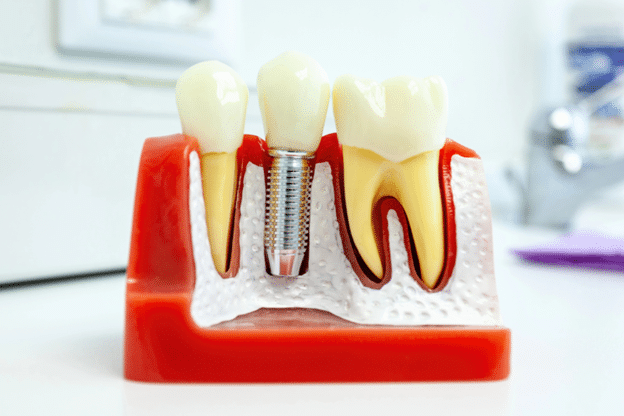
The All-on-4 method uses four titanium posts placed into the jawbone to support an entire arch of teeth. The design is specific: the front two implants are placed vertically, while the back two are angled. This tilted placement allows the dentist to make use of available bone, which is why many patients who have been told they lack sufficient bone for traditional implants are still candidates for this approach.
During the process, a temporary set of teeth is often attached the same day as the surgery. This allows for immediate function while the bone heals around the posts. After several months, once the implants have fused with the bone, a permanent prosthetic is attached. Because this system relies on only four points of contact, your candidacy and bone health are significant factors. The jaw must be strong enough to handle the pressure of chewing across those specific points.
Also Read: All-on-4 vs Traditional Dental Implants: Which Option Is Right for Your Smile?
Common Risks of All-on-4 Dental Implants
When discussing the risks of All-on-4 dental implants in Oxnard, it is helpful to review the most common issues observed in clinical practice. Here are some of the most common dental implant risks:
Implant Failure
The primary concern with any implant is failure to fuse, a process known as osseointegration. If the bone does not grow around the titanium post, the implant will become loose. Can All-on-4 dental implants fail? Yes, though the success rates are generally high. Failure often stems from habits like smoking, which restricts blood flow, or underlying medical conditions that slow down the body’s healing response.
Infection and Gum Problems
All-on-4 dental implant complications after surgery often involve the soft tissue. Peri-implantitis is an infection that develops around the implant site. If bacteria settle into the gums, it can lead to inflammation and bone loss. Patients should watch for redness, swelling that does not subside, or a bad taste in the mouth. Staying consistent with oral hygiene and attending every scheduled checkup helps catch these issues early.
Bone Loss Over Time
While implants help stimulate the jaw, bone deterioration can still occur if the load is not balanced or if an infection is present. If the bone around the four posts thins significantly, the stability of the entire arch is threatened. This is why regular monitoring is a part of the long-term maintenance plan.
Nerve or Sinus Complications
In the lower jaw, there is a small risk that an implant may irritate a nerve, which might cause numbness or a tingling sensation in the lip or chin. In the upper jaw, implants must be placed carefully to avoid entering the sinus cavities. Modern imaging helps dentists map these areas to prevent such dental implant problems.
Prosthetic Damage or Wear
The implants themselves are the anchors, but the teeth attached to them can chip or crack over time. If you grind your teeth or eat very hard foods, the material may wear down faster than expected. Most prosthetics require some level of repair or a full replacement after years of heavy use.
Also Read: Can You Eat Normally With All-on-4 Dental Implants?
What Increases the Risk of Complications?
Not every patient faces the same level of risk. Certain lifestyle factors and health markers elevate the risks and complications of all-on-4 surgery.
- Smoking: Nicotine slows healing and increases the chance of infection. This is one of the leading causes of early implant failure.
- Certain Health Conditions: Diabetes, especially when poorly managed, can make it harder for the body to fight off bacteria. Autoimmune disorders and osteoporosis may also affect how bone responds to metal posts.
- Significant Bone Loss: If the jaw has shrunk too much, the four implants might not have enough grip. In these cases, a dentist might suggest bone grafting or an alternative approach to full-mouth implants.
- Poor Oral Hygiene Habits: Implants cannot get cavities, but the gums around them are still susceptible to infection and disease. Poor dental hygiene can quickly lead to complications.
How Dentists Help Reduce All-on-4 Risks
Dental team expertise is the best defense against the common risks associated with All-on-4 dental implants.
Dentists start with a detailed evaluation using digital imaging. This allows them to see the exact thickness of your bone and the location of nerves before the first incision is made. By reviewing your medical history, they can spot potential red flags early.
During the procedure, guided technology helps place each post with high accuracy. Choosing a provider who specializes in full-arch restorations means they have the experience to handle the nuances of the procedure. After the teeth are in place, a customized care plan helps you navigate the healing weeks, providing clear instructions on what to eat and how to clean the site to keep the implants stable.
Benefits Often Outweigh the Risks
When considering the pros and cons of All-on-4 dental implants, the benefits are quite substantial for those struggling with tooth loss. Most patients find that the risks are manageable when compared to the life-changing results.
- Confidence: A fixed bridge looks and feels like natural teeth, removing the worry of teeth slipping or falling out.
- Function: You can return to eating a wider variety of foods, which supports better nutrition.
- Speech: Unlike bulky removable dentures, All-on-4 implants do not interfere with your tongue, making it easier to speak clearly.
- Stability: Because they are anchored into the bone, they provide a level of stability that traditional dentures do not.
Questions Patients Should Ask Before Treatment
Before committing to All-on-4 dental implants in Oxnard, consider asking your provider these questions:
- Am I a good candidate for All-on-4 implants based on my bone density?
- What are my individual risk factors, such as my health history or habits?
- What technology do you use to map out the surgery?
- What can I expect during the recovery period?
- How long will the prosthetic teeth last before they need maintenance?
Signs You Should Contact Your Dentist After Surgery
While some discomfort is normal, you should call your office if you notice:
- Pain that gets worse after the first few days.
- Bleeding that does not stop with pressure.
- A feeling that the implants or the bridge are moving.
- New numbness in your tongue or face.
Also Read: Are Dental Implants Safe? The Risks and Benefits
Conclusion
Are All-on-4 dental implants safe? For the vast majority of patients, the answer is yes. While no surgery is without some level of hazard, the long-term risks of All-on-4 dental implants are often low when the procedure is handled by a skilled professional. By maintaining high standards of hygiene and attending regular checkups, you can protect your investment for years to come.
Considering All-on-4 dental implants? Contact Vista Pacific Dental today to schedule a consultation and learn whether full-arch dental implants are the right solution for your smile.
